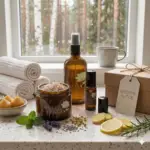

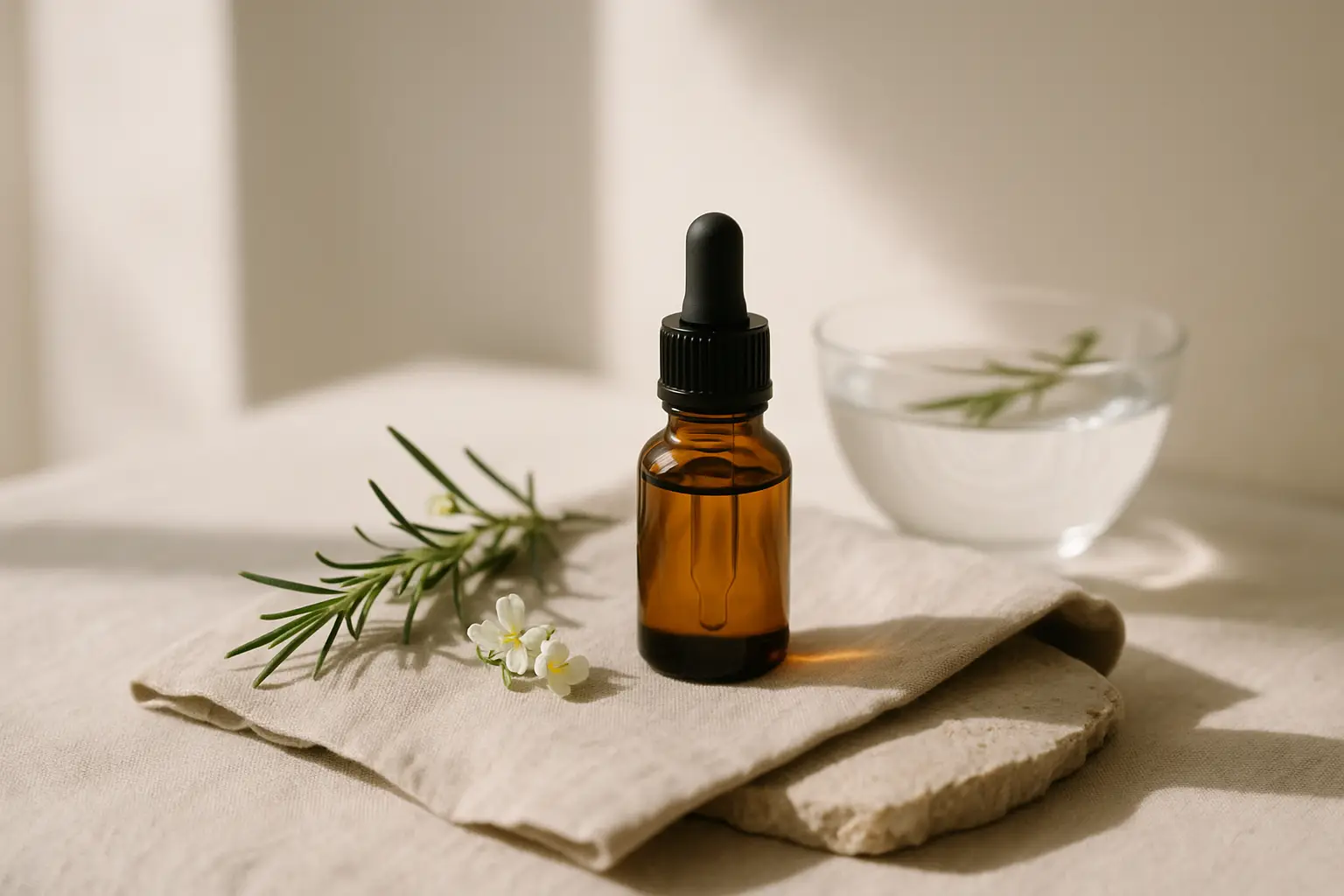
Aromatherapy is the deliberate use of plant essential oils through the sense of smell or in diluted skin products. Many people include aromas in relaxation, body care or a regular daily routine. It is a complementary wellbeing practice, not a stand-alone treatment for disease.
How are essential oils used?
Inhalation and room fragrance
A diffuser or scent cloth releases volatile aroma compounds into the air. Less is often better: follow device instructions, ventilate regularly and stop if irritation occurs.
Diluted skin application
Essential oils are combined with a carrier oil in massage and skincare products. Ready-made products provide a defined mixture. Applying concentrated oil directly can cause skin reactions.
Baths and showers
Oil floats on water and must first be mixed with a suitable carrier product. Keep it away from eyes and mucous membranes.
What can aromatherapy reasonably offer?
A pleasant aroma can structure a pause, evoke memories or create a chosen atmosphere. Whether someone feels calmer or more alert is individual. Scientific evidence for specific health effects varies and is often limited; the NCCIH overview provides a useful starting point.
Put safety first
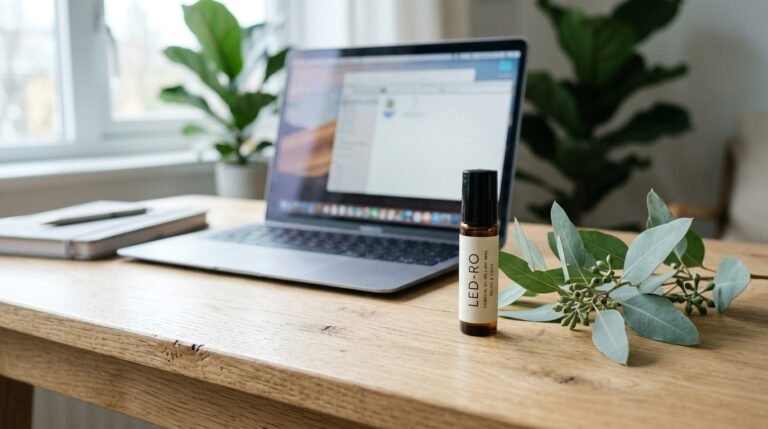
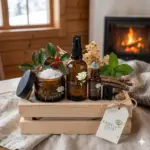
Do not swallow essential oils, store them safely and seek professional advice before use during pregnancy, around children or when health conditions or allergies are present. A LED-RO aromatherapy set can complement a self-care ritual, but it cannot replace diagnosis or treatment.
How is essential oil produced?
Depending on the plant, volatile compounds are commonly obtained through steam distillation or – for many citrus peels – pressing. The result is highly concentrated and should not be compared with herbal tea or an ordinary vegetable skincare oil.
What information should a product provide?
Useful details include the botanical name, complete ingredients, batch information, directions and suitable packaging. Marketing language cannot replace these facts. An aroma should be enjoyable; it does not need to be as strong as possible.
Aromatherapy in everyday life
A simple ritual might use a scent cloth while reading, a briefly operated diffuser or massage with a ready-to-use body oil. Choose one method at a time. This keeps the intensity manageable and makes it easier to understand what you tolerate.
When should you avoid it?
Pause if you have acute airway irritation, a known fragrance allergy or a skin reaction. Pain, breathlessness, persistent sleep problems or significant mental distress should not be self-treated with aromas.