Natural Aromatherapy: Quality, Purity and Careful Routines
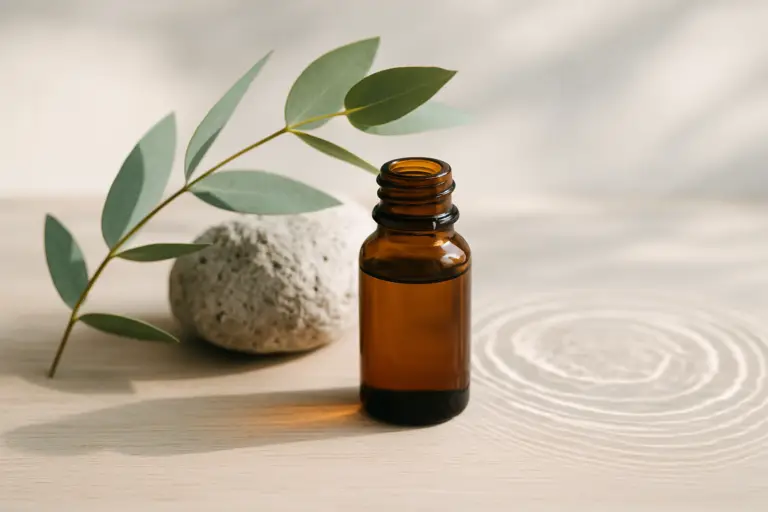
What does natural aromatherapy really mean? Learn to assess ingredients, quality and essential-oil use without misleading purity promises.

What does natural aromatherapy really mean? Learn to assess ingredients, quality and essential-oil use without misleading purity promises.
What can an aromatherapist offer, which training questions matter and where are the boundaries? A guide to a safe first consultation.
Ultrasonic, nebulising or heat diffuser? Compare room size, cleaning, noise and careful use of essential oils before choosing a device.
Aromatherapy may involve room fragrance, personal inhalation or diluted skincare. Learn the main approaches, their differences and safety essentials.
How well has aromatherapy been studied? A clear look at research, evidence limitations, safety and expectations that remain realistic.
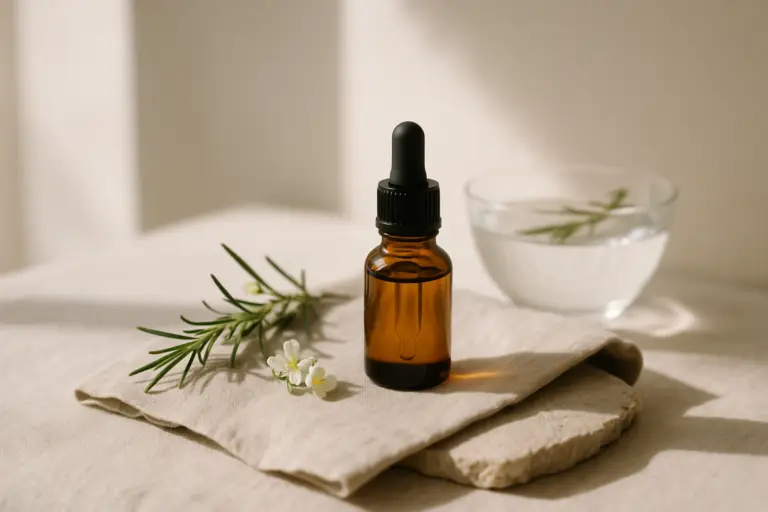
What does aromatherapy mean, how are essential oils used and what should you consider? A clear introduction without health promises.
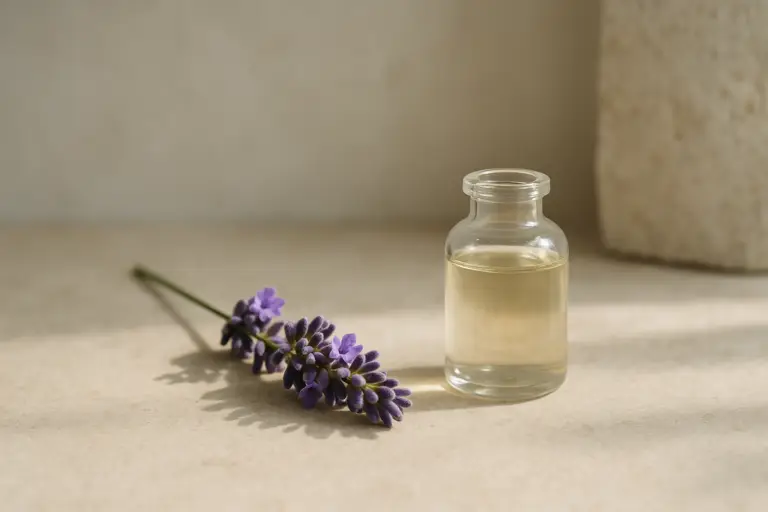
Lavender oil is often linked with calm and sleep. Learn what research supports, how to use it carefully and where the important limits lie.
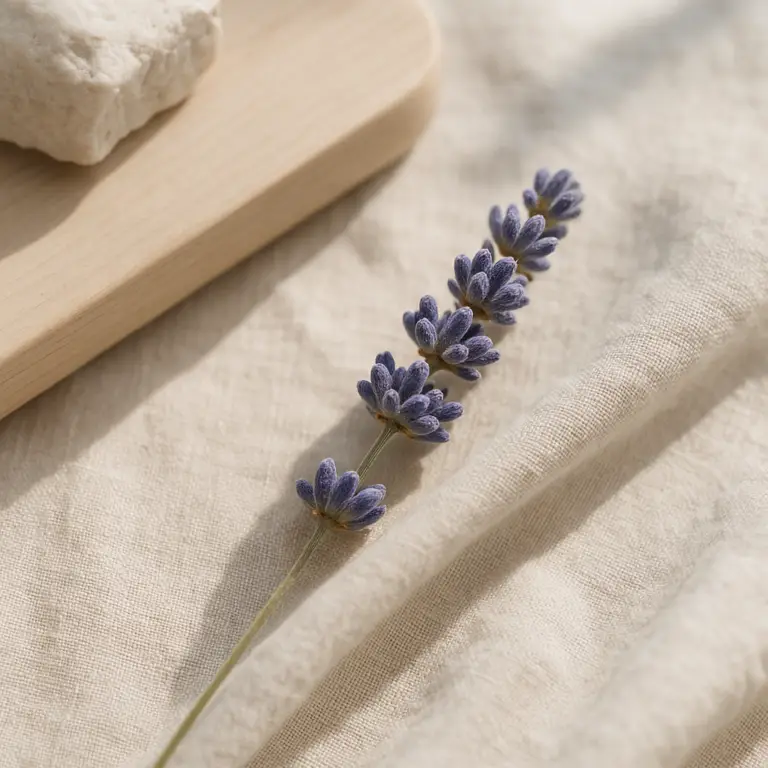
Lavender, chamomile or bergamot? Explore essential oils often associated with calm, how to use them carefully and what they cannot promise.

Feeling cold, heavy or low in energy? Movement, warmth and regular breaks can help you feel more active, while persistent symptoms need assessment.
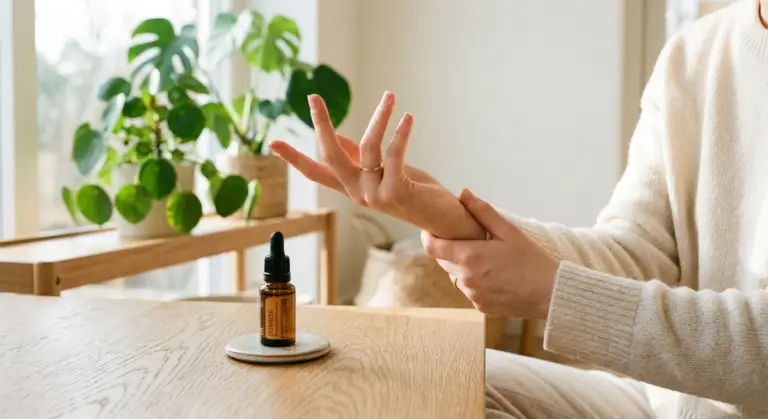
Stiff joints in the morning? Warmth, slow movement and gentle self-massage may make the start easier, with clear signs that need medical advice.