Aromatherapy
Types of Aromatherapy: Aroma, Massage and Careful Use
Aromatherapy is not one single technique. Essential oils may be used as room fragrance, through brief personal inhalation or highly diluted in massage and skincare products. Each approach has different practical rules and limits.
1. Room fragrance with a diffuser
A diffuser releases volatile aroma compounds into a room. It can support a time-limited scent ritual, but it does not clean or “detoxify” the air. Follow device and product directions, start with a low amount and ventilate regularly.
2. Scent cloth or personal inhaler
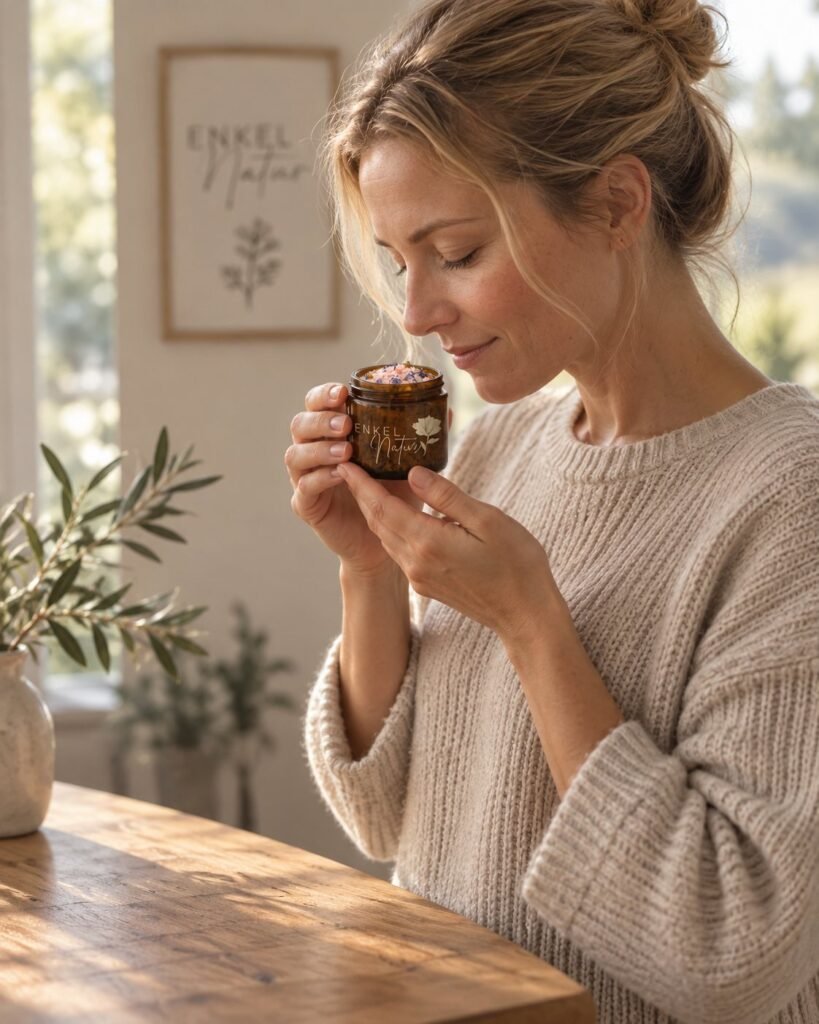
One drop on a separate cloth or a ready-made inhaler product offers a short, focused experience. Keep it away from eyes and mucous membranes and do not share personal inhalers for hygiene reasons.
3. Aroma massage and body care
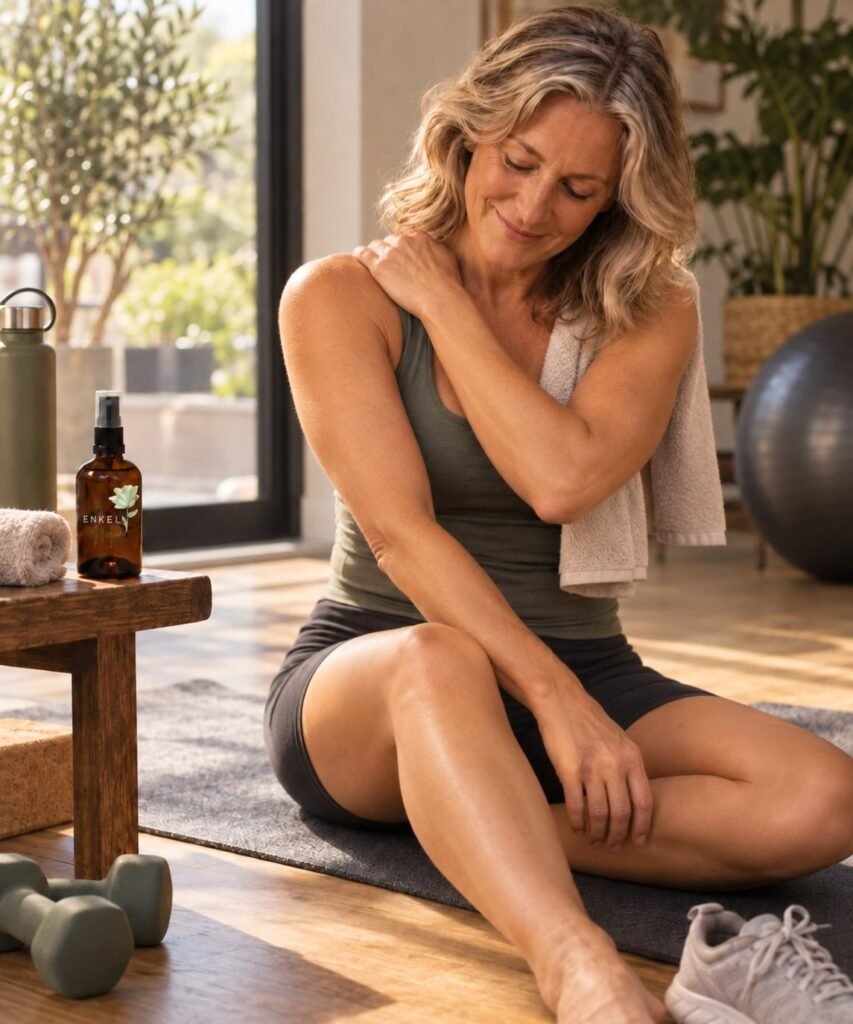
Essential oils are diluted in a carrier oil. Touch, warmth, rest and aroma then form one ritual. Ready-blended products such as LED-RO body oil reduce dosing errors, but they do not treat disease.
4. An aromatic bath
Essential oil does not dissolve in water and should not simply be dripped into the bath. It requires a suitable dispersing or carrier product. Consider both skin tolerance and the risk of a slippery surface.
Which method suits you?
Choose according to the setting, your aroma preference and tolerance. One short method at a time is more sensible for a beginner than combining several. Seek professional advice before use around children, pregnancy, allergies, asthma or pets.
What these approaches share
Aromatherapy can complement wellbeing and skincare routines. It does not replace medicine, diagnosis, physiotherapy or psychological treatment. The NCCIH describes evidence for many applications as limited.
Direct inhalation is not the same as steam inhalation
Breathing concentrated oil straight from a bottle may be uncomfortable. Hot-water steam also carries a burn risk and may irritate airways. A scent cloth or a purpose-made personal inhaler is easier to control.
Quality and amount
Check the botanical name, ingredients, batch and intended use. “Natural” or “therapeutic grade” alone provides little useful information. Products used on skin must be intended and appropriately diluted for that purpose. For room fragrance, stronger is not better.
Common questions
Can aromatherapy methods be combined?
Aroma and massage can form one ritual, although a single method at a time is clearer for beginners.
Can essential oils be swallowed?
Do not take them internally on your own initiative. Ingestion can cause poisoning and interactions and is not part of the wellbeing uses described here.